

Article
Brake service, repair and testing in Ocean Reef
Find quality brake service in Ocean Reef WA. For immediately superior braking performance insist on next generation Repco RCT pads and a nationwide warranty …
Read moreYour vehicle's braking system does far more than bring you to a stop.
It helps you manage speed, maintain control in traffic and respond safely when road conditions change. Understanding how the system works, recognising early signs of wear and keeping up with appropriate maintenance can help you make better decisions about your vehicle's safety.
At Ocean Reef Service Centre we help motorists in understand the condition of their vehicles and identify when professional attention may be needed. Here's what every driver should know about brake-system care.

When you press the brake pedal, hydraulic pressure transfers force through the braking system to the components at each wheel. In disc brakes, brake pads press against rotating discs, creating friction that slows the vehicle. Drum brakes use brake shoes that press against the inside of a rotating drum.
Both systems depend on correctly functioning components working together. Pads and shoes wear through use, discs and drums can deteriorate, and hydraulic components must remain in suitable condition for braking to perform as intended.
Brake fluid is particularly important because it transfers pressure through the hydraulic system. Its condition matters just as much as the visible wear of mechanical components, which is why brake maintenance should consider the complete system rather than a single part.
Brake problems do not always develop suddenly. Changes in sound, feel or performance can indicate that something needs to be assessed.
Squealing may indicate brake-pad wear or another contact issue, while grinding can suggest more serious deterioration. Vibration during braking may point to disc irregularities or other mechanical concerns. A soft or spongy pedal, reduced braking response, an illuminated brake warning light or an increase in stopping distance should never be ignored.
These symptoms do not all have the same cause, and the symptom alone cannot confirm which component has failed. If braking performance changes noticeably, arrange a professional assessment promptly. If the vehicle cannot be stopped or controlled safely, do not continue driving it; arrange appropriate roadside assistance or recovery.
Brake maintenance is most effective when it is part of a broader approach to vehicle care. Routine inspections can identify developing concerns before they progress, although no inspection can guarantee that a component will not fail later.
At Ocean Reef Service Centre a 65-point vehicle inspection is included with every full car service. This provides an opportunity to assess important vehicle systems, including braking components, and identify concerns that may require further attention.
Following your vehicle's recommended servicing schedule, paying attention to changes in braking behaviour and discussing concerns early can help you plan maintenance more confidently.
Not every brake concern requires the same repair. The right course of action depends on the vehicle, the symptoms, the condition of its components and the manufacturer's requirements.
A professional assessment helps establish what needs attention and why. At Ocean Reef Service Centre our brake and clutch service covers a range of documented repair and maintenance needs, from brake-pad replacement and brake-fluid replacement to caliper work and disc or drum machining or replacement where appropriate.
For drivers in Ocean Reef, understanding these fundamentals is a useful first step towards maintaining dependable braking performance.
If you've noticed changes in your brakes, or your vehicle is due for an assessment, visit our dedicated Brake and Clutch service page to arrange a booking.
Find quality brake service in Ocean Reef WA. For immediately superior braking performance insist on next generation Repco RCT pads and a nationwide warranty …
Read more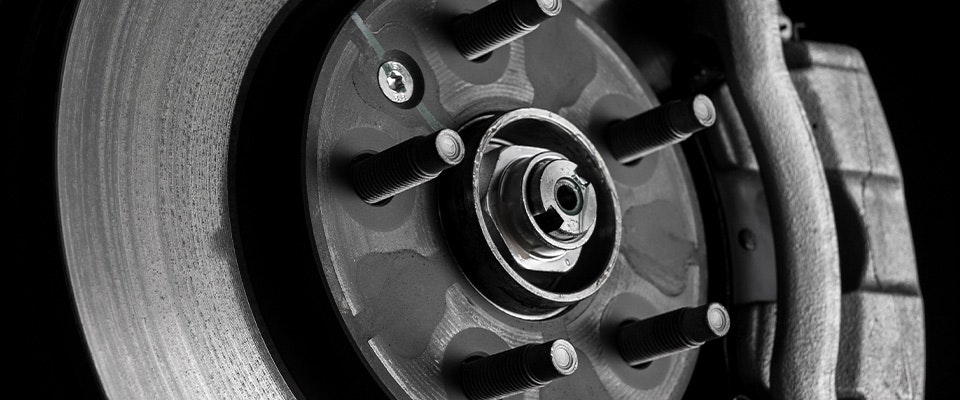
When it comes to vehicle maintenance, many people overlook the importance of maintaining their brake system. But, did you know that one of the key components of brake maintenance is replacing the brake pads...
Read more
Practical tyre care advice for drivers in Ocean Reef. Learn how to extend tyre life, improve safety, and spot early warning signs of wear…
Read more